
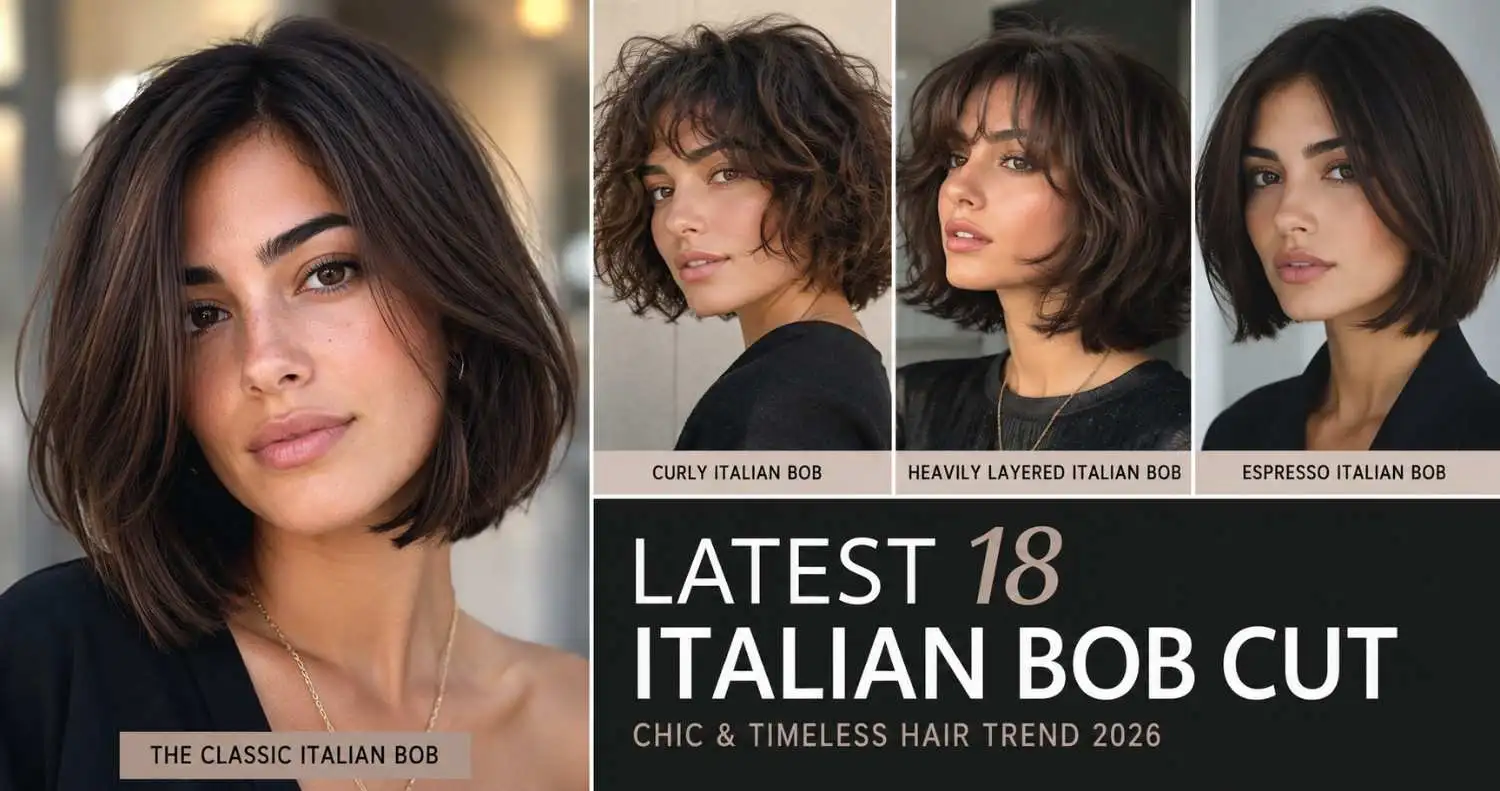
The Latest Italian Bob Cut: A Chic and Timeless Hair Trend for 2026
Short hair is having a real moment in 2026, and one style keeps coming up in every salon chat, every stylist’s Instagram, and every “what to get before summer” list. It’s chin-length, soft around the edges, and somehow manages to look effortless and polished at the same time. People are simply calling it “the bob everyone wants right now,” and for good reason — it flatters nearly every face shape, works with almost any hair texture, and doesn’t demand hours in front of a mirror each morning.
If you’ve been eyeing photos of soft, rounded bobs with a deep side part and gentle waves, you’ve already spotted this look in the wild. Below, we’ll walk through what makes it different from other short cuts, who it suits, how to style it day to day, and what to say to your stylist so you walk out with exactly the shape you pictured.
What Makes This Cut Different From a Regular Bob
Not every short haircut is created equal, and the Italian Bob Cut proves it. A blunt bob has that straight-across, no-nonsense line. An A-line bob is shorter in the back and longer toward the chin. This one sits somewhere softer — rounded, lightly layered, and never sharp. The ends aren’t cut in a hard line; they’re textured just enough to move when you walk.
Length-wise, it usually falls between the chin and just below the jaw. A deep side part is doing a lot of the heavy lifting here, since it naturally adds volume and a bit of asymmetry without any extra product. Many women pair it with curtain bangs or a soft, sweeping fringe, though it looks just as good worn without bangs at all.
What really sets this style apart is the finish. It’s meant to look lived-in rather than freshly blow-dried — natural shine, a slight bend in the hair, and none of that stiff, overly sculpted feel that older bob trends leaned on.
18 Italian Bob Cut Styles to Try in 2026
One of the reasons this trend has taken off is how many directions you can take it. Here are 18 variations worth bringing to your stylist, depending on your hair type, texture, and how much drama you want.
1. The Classic Italian Bob
The original version: chin-length, rounded ends, and just enough layering to move naturally. This is the safest starting point if you’re new to the style.
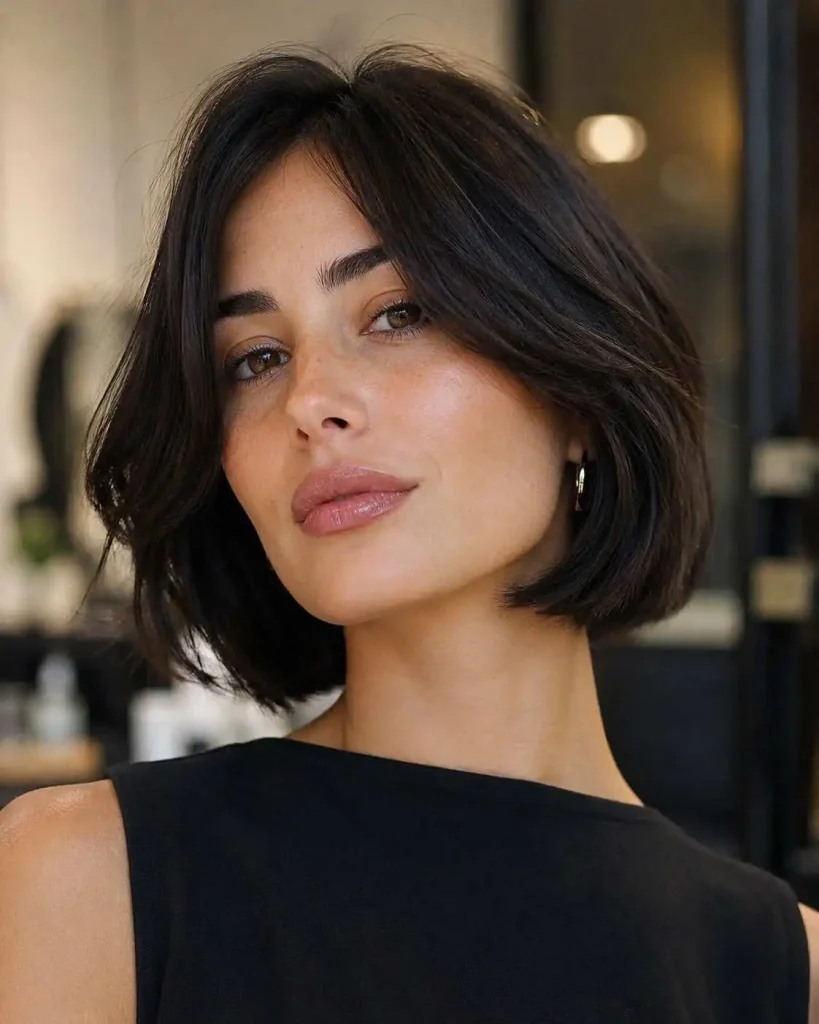
2. Wavy Italian Bob
Loose, beachy waves add texture and softness, making the shape feel relaxed rather than sculpted. Great for casual, everyday wear.

3. Curly Italian Bob
Natural curls are shaped into the same rounded silhouette, letting your texture do most of the styling work with minimal effort.

4. Blunt-Edge Italian Bob Cut
A slightly sharper line at the ends gives this version more structure, while the top layers keep it from looking stiff.

5. Heavily Layered Italian Bob
Extra internal layering removes bulk on thicker hair, keeping the shape light and preventing that boxy, triangular look.

6. Italian Bob with Curtain Bangs
Soft, face-framing curtain bangs are the most requested pairing with this cut, since they highlight the eyes without looking heavy.

7. Italian Bob with Full Bangs
A blunt, full fringe adds a bolder, more retro edge, especially when paired with deeper hair colors.
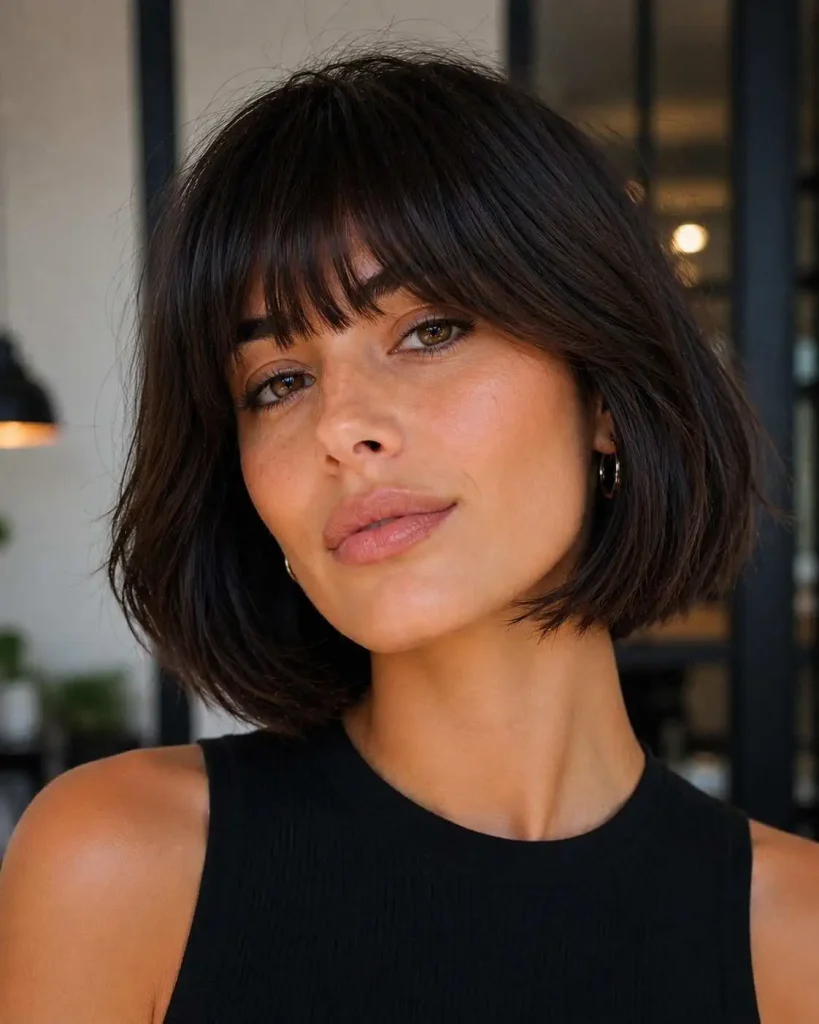
8. Wispy-Bang Italian Bob
Light, feathered wisps replace a dense fringe here, giving a softer, more youthful finish that’s easy to grow out.

9. Deep Side-Part Italian Bob
Skipping the bangs entirely, a deep side part alone creates volume and a bit of asymmetry using nothing but the parting.

10. Sleek, Polished Italian Bob
Blow-dried smooth with a round brush, this version leans formal and works well for events or professional settings.
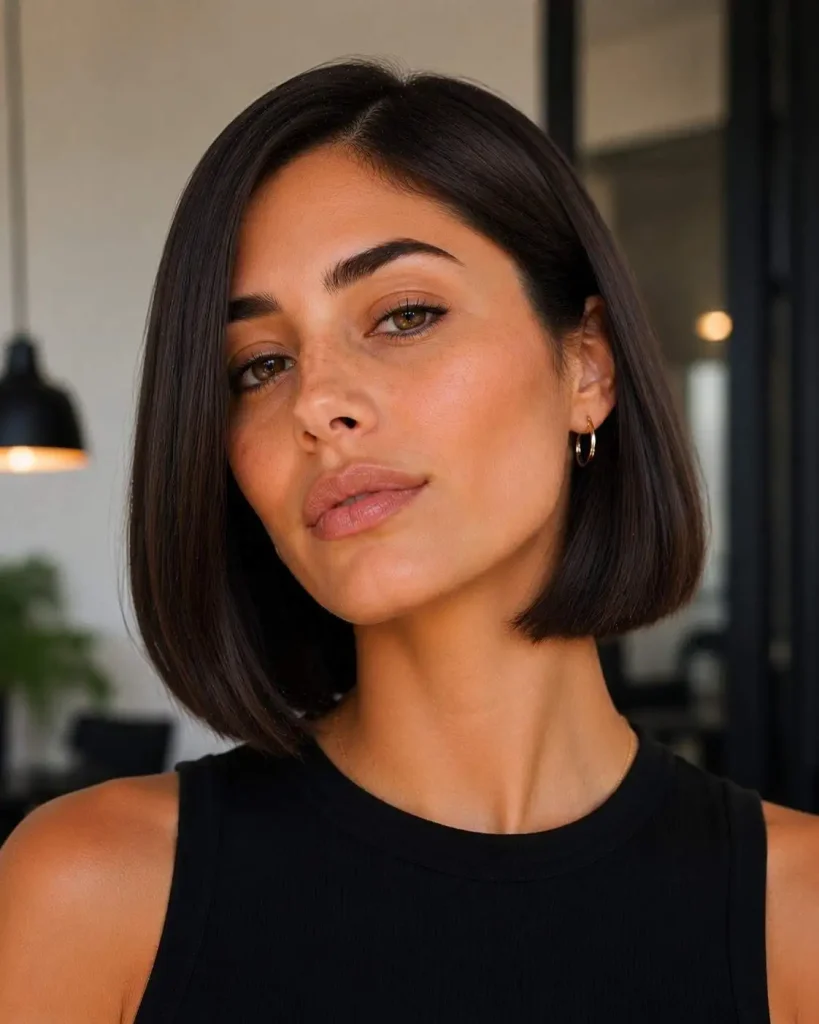
11. Tousled, Undone Italian Bob
Texturizing spray and air-drying give this look a lived-in, weekend-appropriate finish with almost no styling time.

12. Copper-Toned Italian Bob
Warm copper shades amplify the cut’s movement and shine, turning a simple shape into something more eye-catching.

13. Espresso Italian Bob Cut
Deep, dark brunette tones lend a more dramatic, old-Hollywood feel to the same soft silhouette.

14. Balayage Italian Bob
Hand-painted highlights add depth and dimension, making the layers more visible as the hair moves.
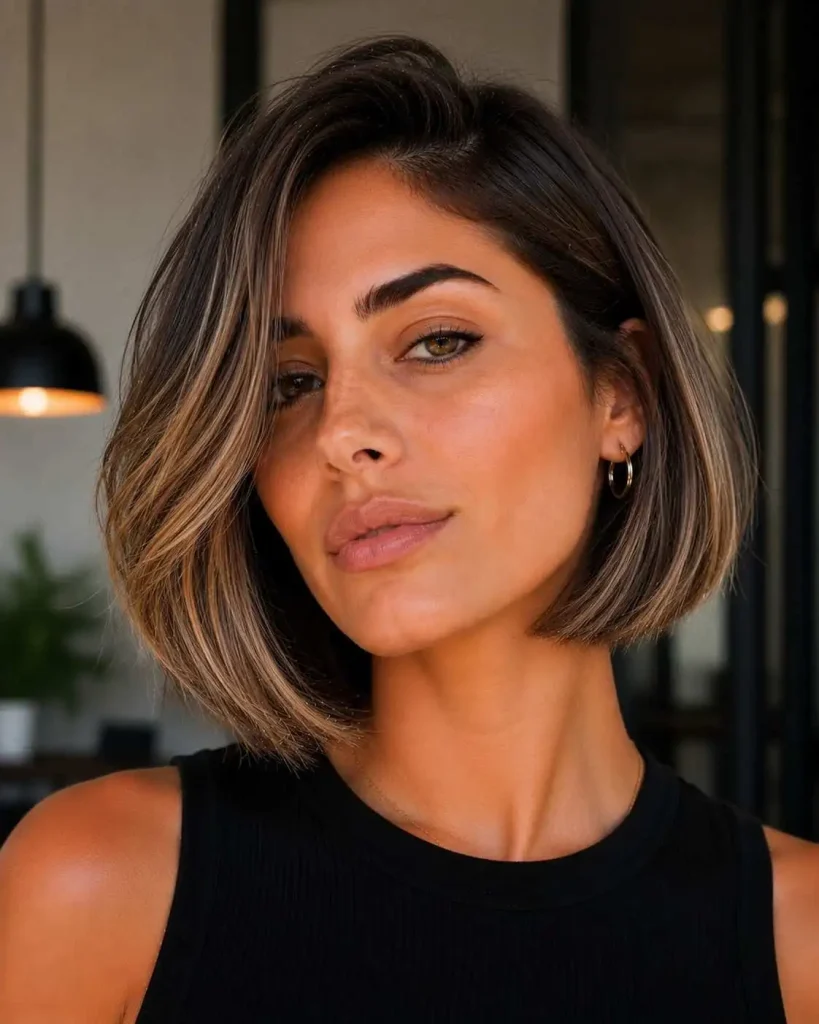
15. Asymmetrical Italian Bob
One side sits slightly longer than the other for a subtle, edgier twist on the traditional rounded shape.
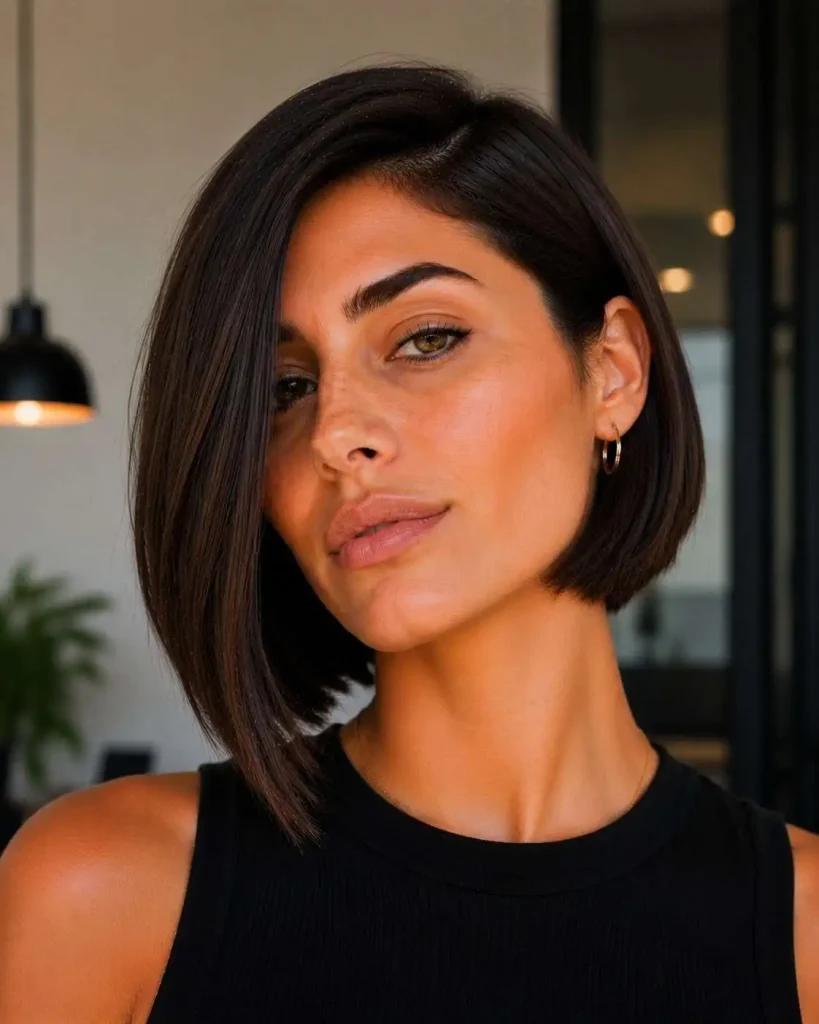
16. Chin-Length Italian Bob
The shortest common version, sitting right at the chin for maximum ease and the least daily maintenance.

17. Jaw-Length Italian Bob
A touch longer than the chin-length version, offering a bit more versatility for updos and half-up styles.

18. Fine-Hair Italian Bob
Strategic texturizing at the ends creates the illusion of thickness, making this the go-to option for anyone with thin strands.

Why It’s Everywhere Right Now
A few things are pushing this cut to the top of everyone’s wish list this year. First, there’s the runway effect — fashion week after fashion week has featured soft, voluminous short cuts that pair well with relaxed, tactile fabrics rather than sharp tailoring. That shift trickled straight down to everyday salons.
Second, celebrities keep wearing it. Soft, chin-length bobs have shown up on red carpets and awards shows throughout the past year, and every time a well-known face debuts the look, salon bookings for it seem to spike within days.
Third — and maybe most importantly — people are simply tired of high-maintenance hair. This cut looks intentional without requiring a full styling routine every single day. That combination of low effort and high payoff is exactly what a lot of people are searching for after years of more complicated cuts and color.
Who This Haircut Actually Suits
One of the best things about this style is how forgiving it is. It works on straight hair, wavy hair, and even gentle curls, though stylists generally agree it looks best on straight-to-wavy textures with medium thickness.
- Fine hair: The layering and slight movement create the illusion of thickness, so thin strands look fuller without extensions or heavy product.
- Medium to thick hair: Internal layers remove bulk so the shape doesn’t sit heavy or turn into a triangle at the ends.
- Very thick or tightly curled hair: This is where the cut gets trickier. Extra weight can drag the shape down and make it harder to keep the rounded silhouette, so a skilled stylist needs to thin things out carefully.
- Round, oval, square, and heart-shaped faces: All generally do well with this length, especially when paired with a deep side part that softens strong features.
If you’re unsure whether your hair type will cooperate, it’s worth bringing reference photos to a consultation before booking the full appointment.
How to Style It Day to Day
The whole appeal of the Italian Bob Cut is that it doesn’t ask much of you. A quick rundown of styling looks that work well:
For a polished finish: Blow-dry with a round brush, curling the ends slightly inward, then run a small amount of smoothing serum through the mid-lengths for shine.
For an undone, weekend look: Apply a texturizing spray to damp hair and let it air-dry, or use a wide-barrel curler for loose, irregular waves. Scrunch lightly with your fingers instead of brushing through.
For thin hair: A volumizing mousse at the roots before blow-drying adds lift without weighing the ends down.
For curly or coily hair: Diffuse on low heat and use a lightweight curl cream to define the natural pattern without frizz.
Because the shape relies on movement rather than a razor-sharp line, small imperfections in styling barely show — which is part of why so many people find it easier to live with than a blunt cut.
How to Ask Your Stylist for It
Bring a few clear reference photos rather than relying on the name alone, since terminology varies from salon to salon. Mention that you want:
- Chin to just-below-jaw length
- Soft, rounded ends rather than a blunt line
- Light internal layering for movement
- A deep side part
- Curtain bangs, if you want them, or no fringe at all
It also helps to be upfront about your hair type and how much time you’re realistically willing to spend styling it each morning. A good stylist will adjust the layering and thinning technique based on your texture, not just copy a photo exactly.
Maintenance and Upkeep
The Italian Bob Cut holds its shape reasonably well between salon visits, but a trim every eight to ten weeks keeps the rounded silhouette from growing out into something shapeless. Regular deep conditioning treatments help maintain the shine that makes this style look healthy rather than flat. If you color your hair, glossing treatments between full color appointments will keep the finish looking fresh.
Final Thoughts
Part of what makes this haircut trend stand out in 2026 is that it doesn’t ask you to change who you are to wear it well. It softens features, adds movement, and looks put-together with minimal daily effort — a combination that’s hard to beat. Whether you’re coming from long hair and want a dramatic but manageable change, or you’re refreshing an existing bob, this is a shape worth bringing to your next salon appointment.
Frequently Asked Questions
Is the Italian Bob Cut suitable for fine hair?
Yes. The soft layering and gentle movement create the appearance of thicker, fuller hair, making it a popular choice for people with fine strands.
How long does it take to grow out an Italian Bob Cut?
Most people can maintain the shape for three to four months before needing a trim, though the silhouette will start to soften and grow longer after about eight to ten weeks.
Does the Italian Bob Cut work with curly hair?
It can, though stylists usually recommend it for straight-to-wavy textures. Very tight curls may need extra thinning to avoid extra bulk at the ends.
What’s the difference between this cut and a French bob?
A French bob tends to be shorter, blunter, and paired with heavy bangs, while this style is softer, slightly longer, and relies on layering rather than a hard line.
Do I need a deep side part for this haircut to look right?
Not strictly, but a deep side part is part of what gives the cut its signature volume and asymmetry. Some people wear it with a center part for a more even, symmetrical look instead.
How much styling does this haircut require daily?
Very little. A quick blow-dry or air-drying with texturizing spray is usually enough, which is part of why the cut has become so popular this year.


