Latest 15 braid hairstyles2026 For Every Occasion
Braids never really go out of style, but every year they come back with a fresh twist. In 2026, braid hairstyles are leaning into soft textures, low-tension parts, and a mix of classic patterns with modern color play. Whether you want a quick everyday look or a statement style for a big event, this guide walks through 15 of the most requested braid styles of the year, along with simple tips on choosing, styling, and caring for each one.
Why Braid Hairstyles Are Still Trending in 2026
Braid hairstyles remain popular because they do double duty: they look good and they protect your hair at the same time. Tucking your strands into a braid shields them from heat, wind, and constant manipulation, which means less breakage over time. On top of that, braids are flexible. You can wear them sleek for the office, loose and romantic for a weekend out, or bold and beaded for a party. This year, the biggest shift is toward gentler, less rigid styling. Stylists are easing up on tight parts and heavy tension, letting baby hairs and natural texture show through instead of slicking everything down. The result is a look that feels more relaxed but still polished where it counts.
How to Pick the Right Braid Style for Your Hair
Before trying any of the braid styles below, think about three things: your hair texture, your face shape, and your lifestyle.
- Hair texture – Coily and kinky hair usually holds braids longer with less added product, while straighter or wavy hair may need smaller sections or extensions for grip.
- Face shape – Fuller, rounder braids near the temples can soften angular faces, while sleeker styles with height at the crown can balance rounder faces.
- Lifestyle – If you swim, work out often, or travel a lot, a low-maintenance protective style will serve you better than a delicate, decorative one.
With that in mind, here are the braid hairstyles worth bookmarking this year.
The 15 Best Braid Hairstyles for 2026
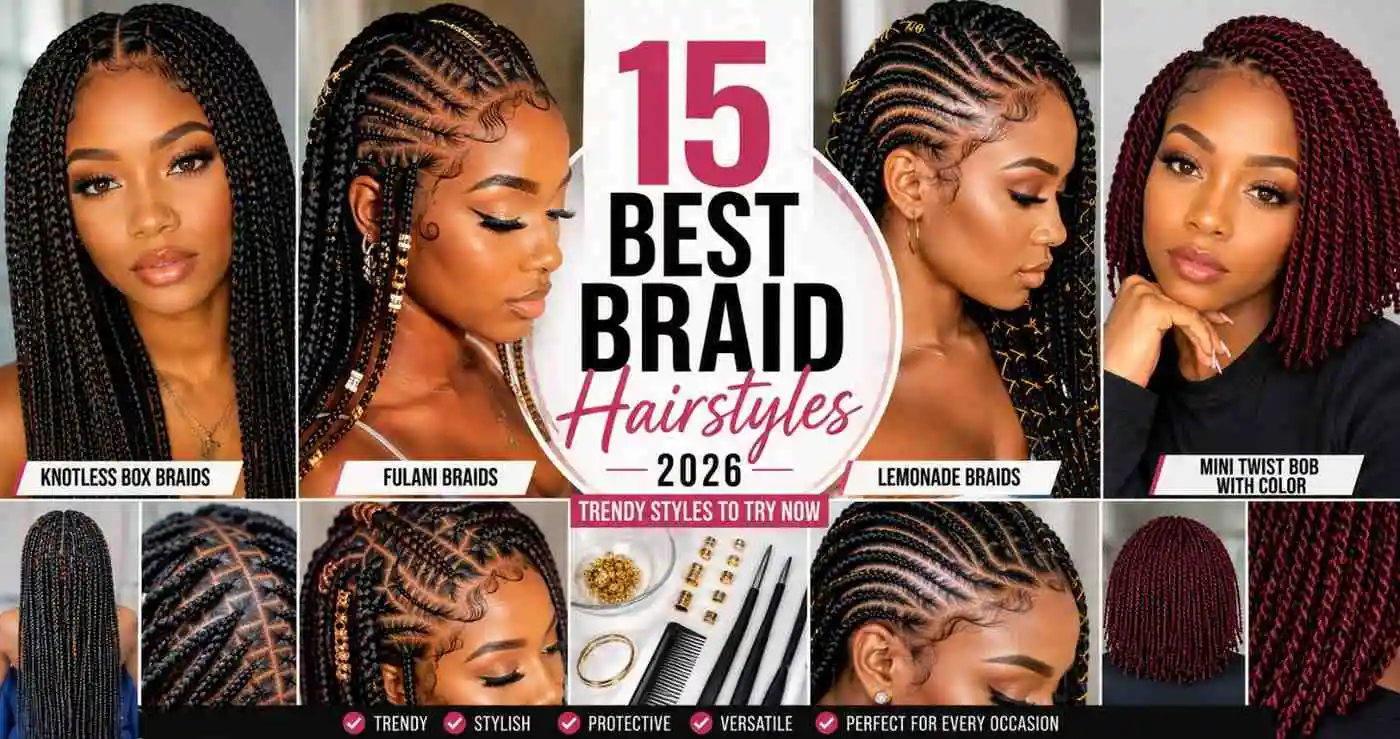
1. Knotless Box Braids
Knotless box braids start with your own hair at the root and feed in extensions gradually, so there’s no heavy knot pulling at your scalp. They feel lighter, look more natural at the parting, and tend to cause far less tension headache than traditional box braids. They work beautifully in almost any length and can be styled in a bun, half-up, or left down.

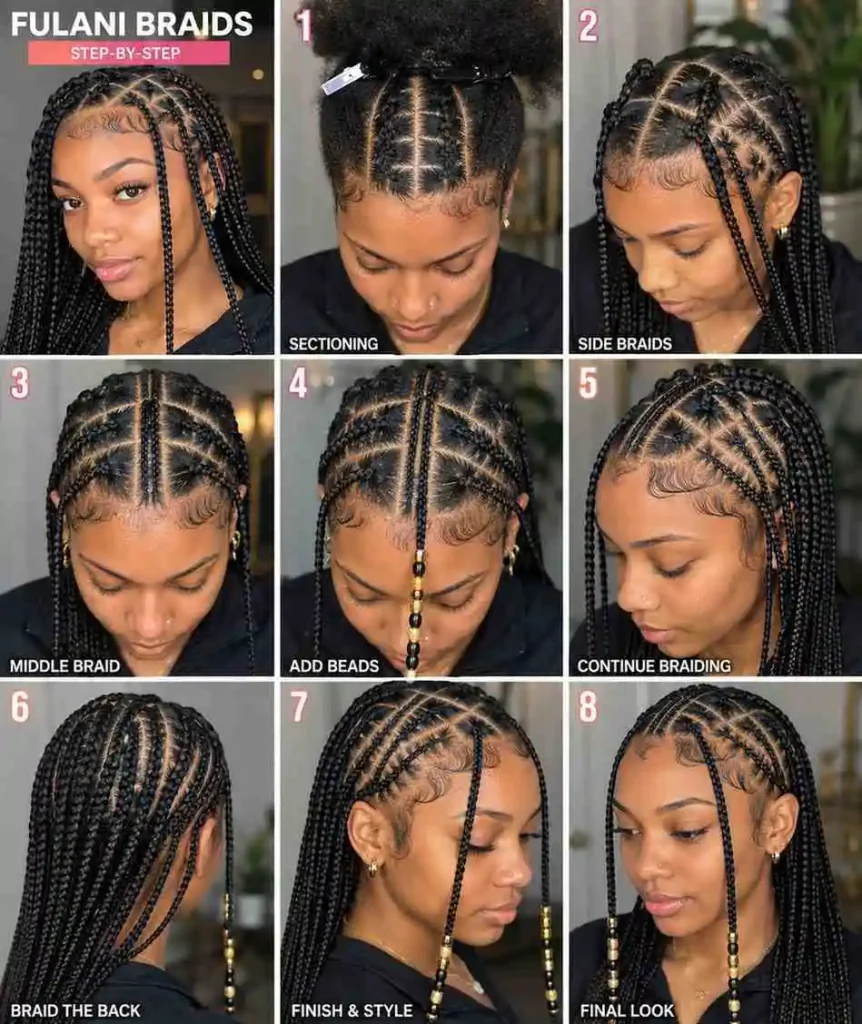
2. Fulani Braids
Fulani braids feature a center part with thin cornrows running along the sides and a few thicker braids framing the face, often finished with beads or gold cuffs. Rooted in West African tradition, this style has stayed a favorite because it feels personal and decorative at the same time. It suits round and oval faces especially well.
3. Boho Braids
Boho braids blend structured box braids or twists with loose, curly pieces left hanging throughout. The mix of “done” and “undone” gives a romantic, vacation-ready vibe that works equally well for everyday wear and special occasions. This is one of the easiest braid styles to dress up with accessories or wear completely bare.

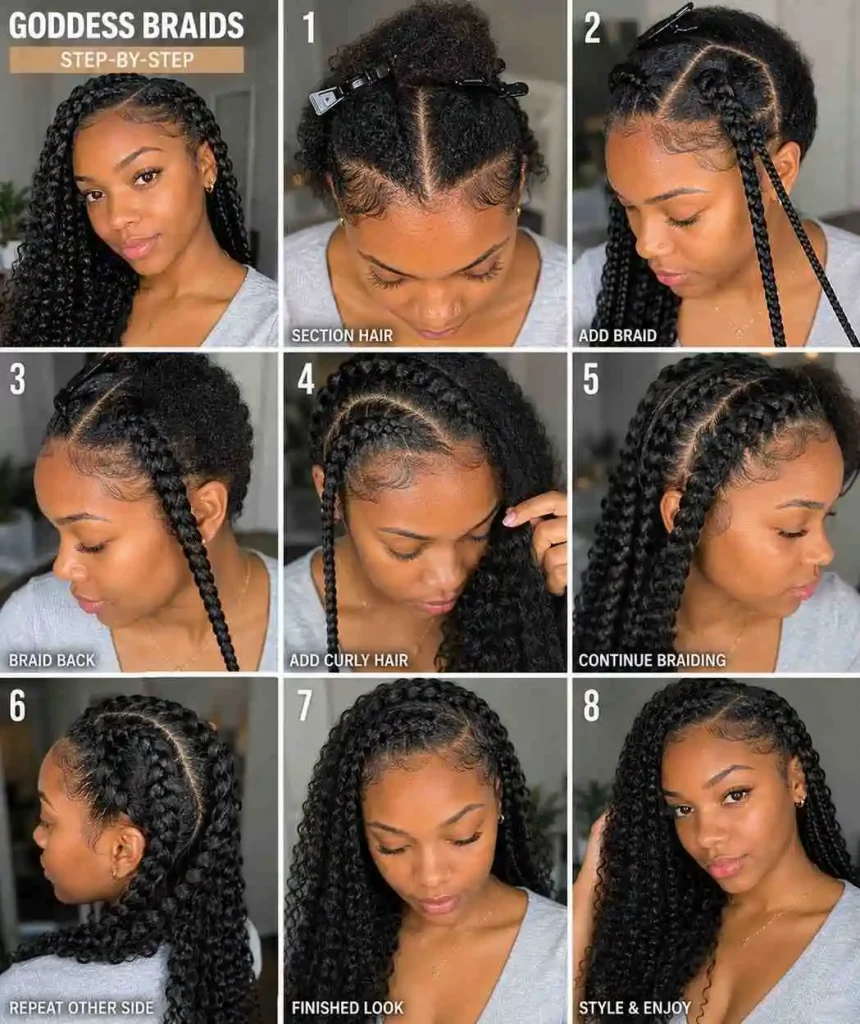
4. Goddess Braids
Goddess braids are thicker, raised cornrows that sit close to the scalp and often sweep back into a bun or ponytail. They read as elegant and bold, making them a go-to choice for weddings, graduations, and formal events, though plenty of people wear them as a regular protective style too.
5. Lemonade Braids
Lemonade braids are side-swept cornrows that flow diagonally across the head, usually ending in a thicker braid or twist over one shoulder. The dramatic angle is flattering on square and round faces, and the style photographs well, which is part of why it keeps trending on social platforms.

6. Stitch Cornrows
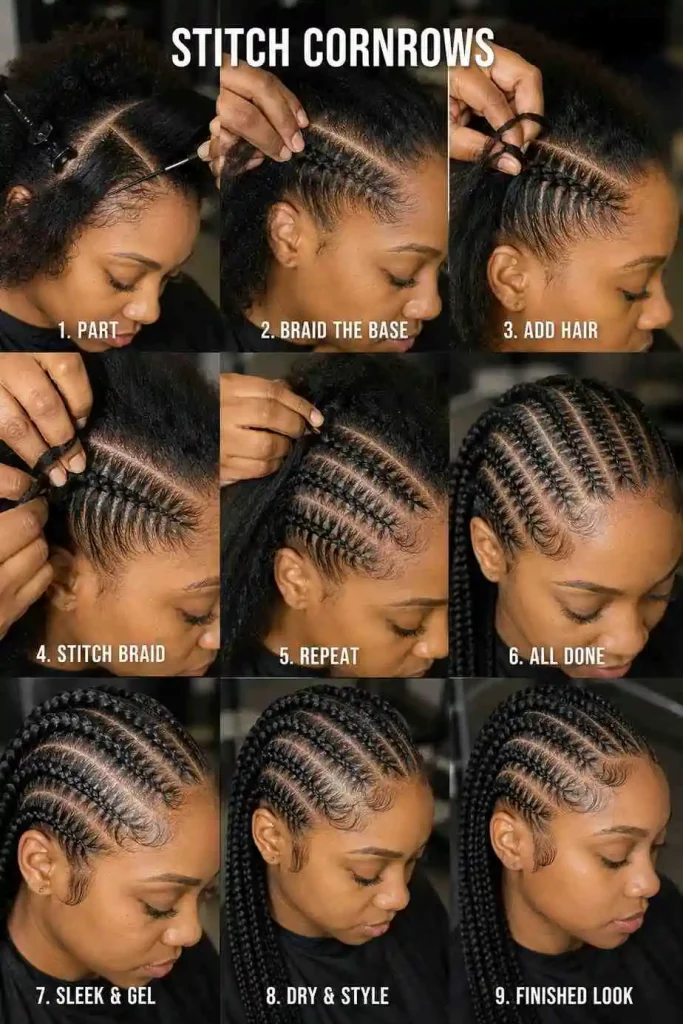
Stitch braids use extremely thin, precise parts to create a clean, almost embroidered look along the scalp. The braided sections are tight and graphic, often left to flow into loose curls at the ends for contrast. It takes a skilled hand to part the rows evenly, but the payoff is one of the most striking braid styles on this list.
7. Feed-In Braids
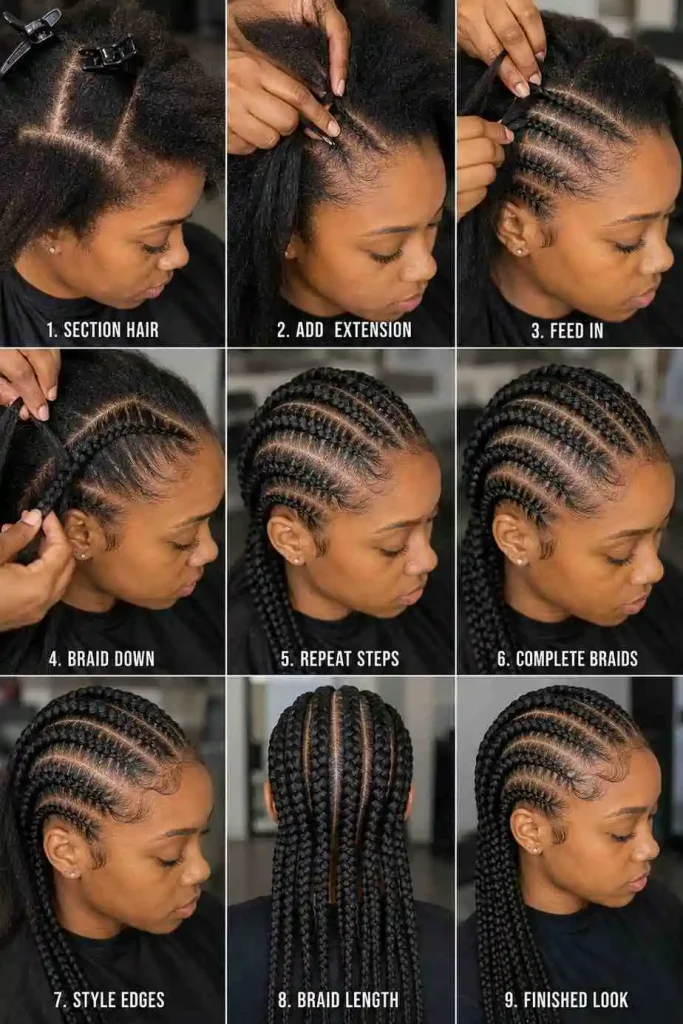
Feed-in cornrows add small amounts of extension hair gradually as the braid is worked, which keeps the root flat and avoids the bulky, raised look of older techniques. The finish is sleek and seamless, and the style can last several weeks with the right upkeep.
8. Jumbo Box Braids
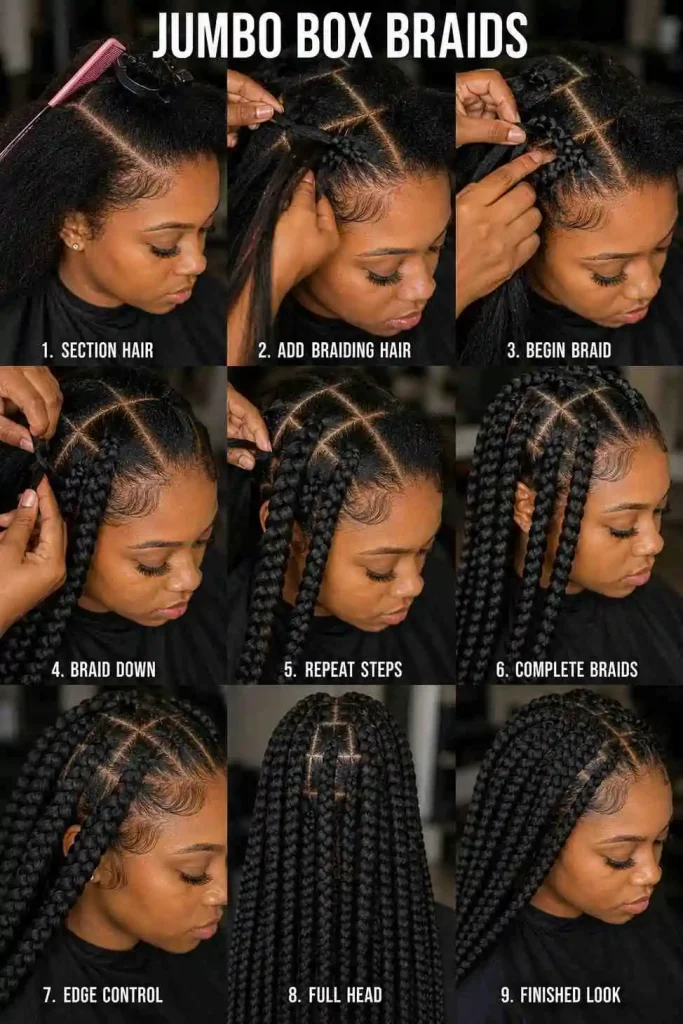
Jumbo box braids use larger sections, so they install faster and create a bold, chunky silhouette. They’re a great option if you want a long-lasting protective style without spending an entire day in the chair. The bigger size also adds noticeable volume.
9. Micro Braids
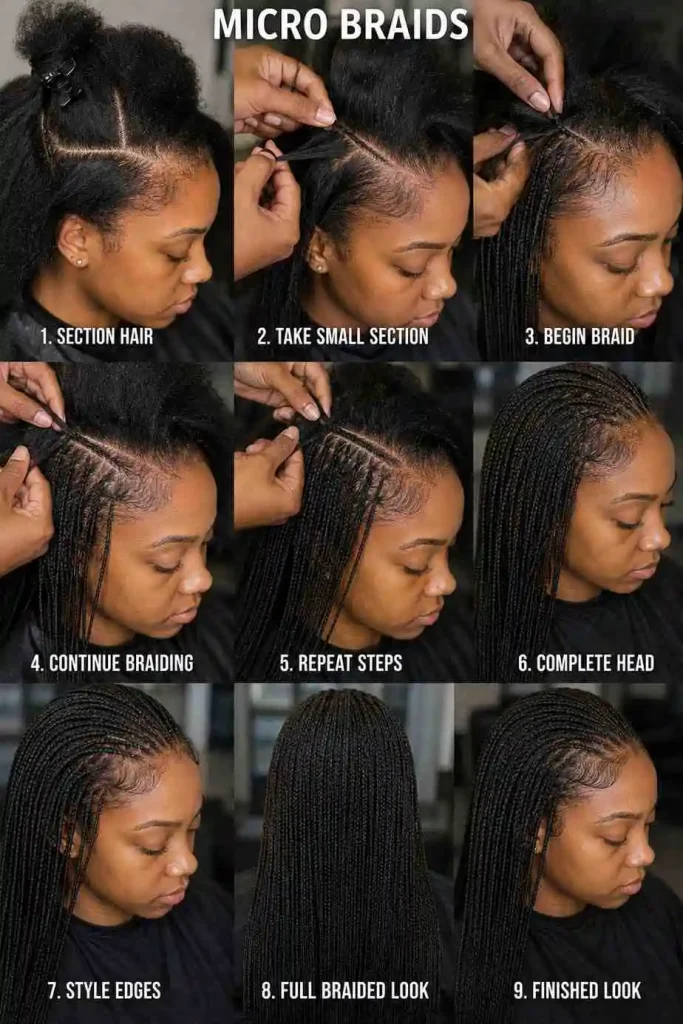
Micro braids are the opposite of jumbo: tiny, thin braids that move and swing with every step. They take longer to install, but the lightweight, detailed finish can be styled in countless updos, ponytails, and half-up looks, making the extra time worth it for many people.
10. Tribal Zigzag Braids
Zigzag and tribal-pattern braids use creative parting, beads, and cuffs to turn the scalp itself into part of the design. These braided styles take longer to plan and install, but they make a real style statement and work well for anyone who wants their hair to stand out.

11. Classic French Braid
The French braid is the original easy braid hairstyle, woven from the crown downward by picking up small sections as you go. It’s quick to learn, works on damp or dry hair, and instantly looks pulled-together for school, work, or a workout.

12. Dutch Braid
A Dutch braid is essentially an inverted French braid, crossed under instead of over, which makes the plait pop forward instead of lying flat. It’s a strong, sporty option that holds up well through long days and active schedules.

13. Waterfall Braid
The waterfall braid drops small sections of hair as you work across the head, creating a cascading effect that looks like hair flowing through the braid. It’s romantic and detailed, which makes it a favorite for weddings, proms, and other dressed-up occasions.

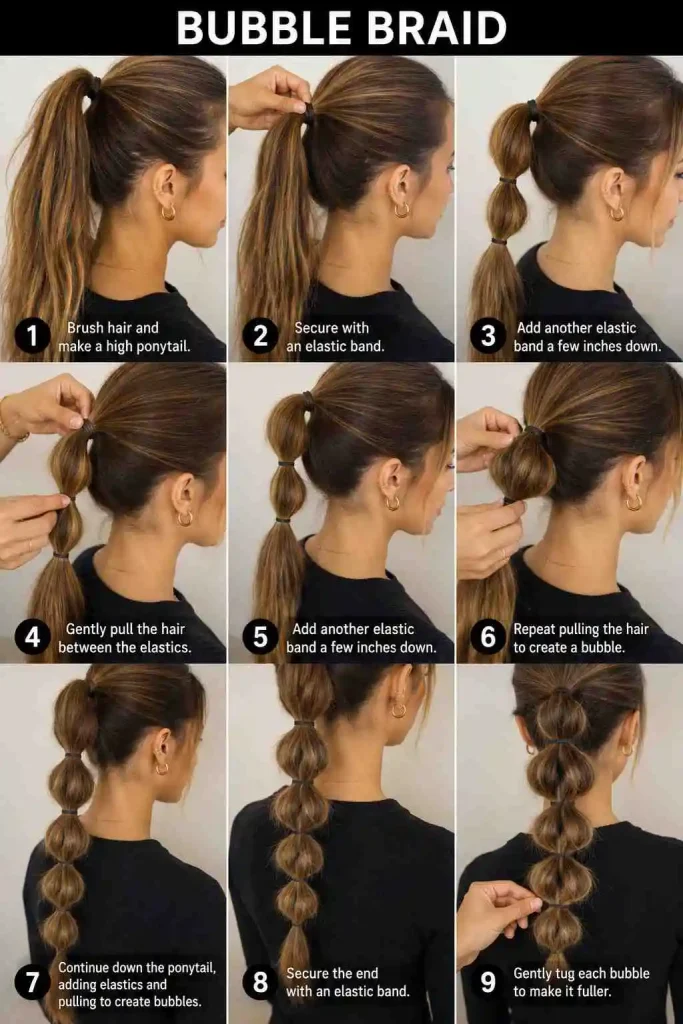
14. Bubble Braid
A bubble braid isn’t really braided at all — it’s a ponytail or twist sectioned off at intervals with small hair ties, then gently pulled to create rounded “bubbles” along the length. It’s beginner-friendly, fast, and surprisingly eye-catching for how little skill it requires.
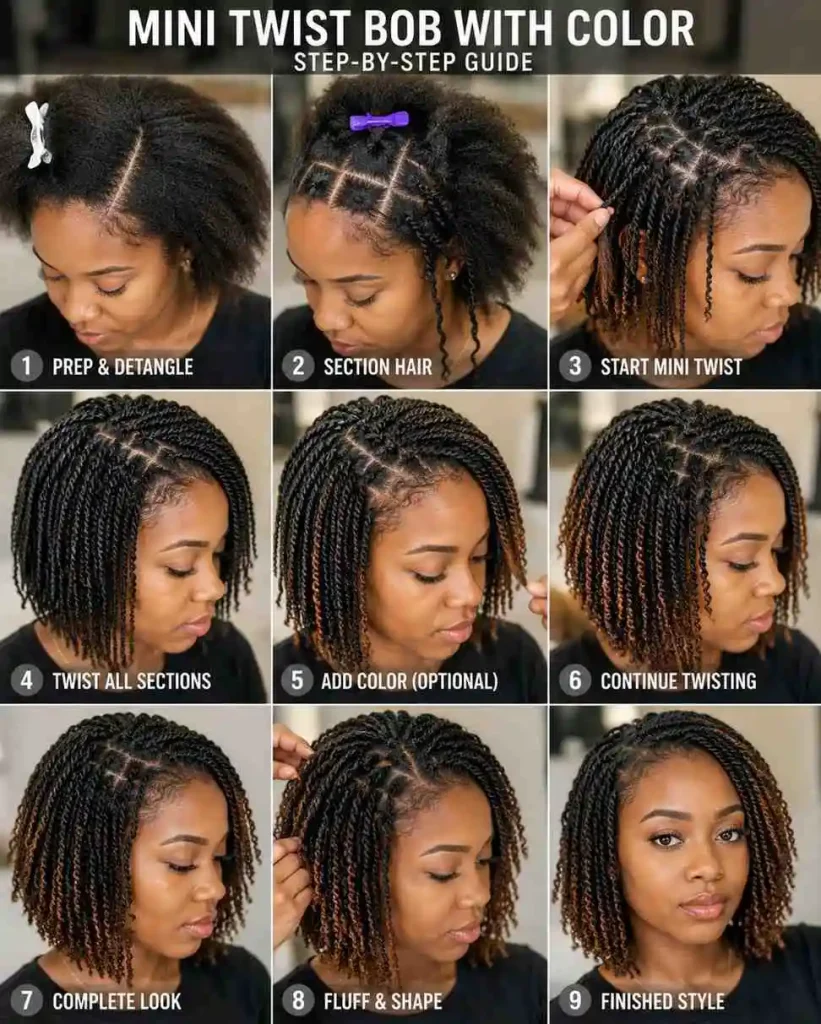
15. Mini Twist Bob with Color
Two-strand mini twists styled into a clean, chin-length bob shape are one of the lighter, lower-tension braid styles trending right now. Pair the shape with a soft ombré or a few face-framing highlights, and you get a modern, low-maintenance look that still feels current and fashion-forward.
Caring for Braid Hairstyles: Quick Maintenance Tips
Getting the most out of any braid hairstyle comes down to a few simple habits:
- Keep the scalp clean. Use a diluted shampoo or a scalp refresher spray every one to two weeks to prevent buildup and itchiness.
- Moisturize regularly. A light leave-in oil or mousse on the scalp and braids helps prevent dryness without weighing the style down.
- Protect it at night. Wrap braids in a silk or satin scarf, or use a satin pillowcase, to reduce frizz and friction while you sleep.
- Don’t overstay the install. Most styles look and feel best for four to eight weeks; wearing them longer can stress the hairline and roots.
- Take down gently. Detangle from the ends upward with a wide-tooth comb or your fingers, using conditioner to ease any knots.
Color is also playing a bigger role in styling decisions this year. Soft ombré fades, warm caramel tones, and the occasional bold burgundy or copper section are showing up across nearly every style on this list, from box braids to twists. If you’re unsure where to start, ask your stylist for a small test section before committing to color on a full head of extensions.
Frequently Asked Questions
How long do braid hairstyles usually last?
Most braided styles last between two and eight weeks, depending on the size of the braids, how well you maintain your scalp, and how fast your natural hair grows out at the root.
Do braid hairstyles damage natural hair?
When installed correctly and without excess tension, braid styles can actually protect hair from daily damage. Problems usually come from braids that are too tight at the root, extensions that are too heavy, or leaving a style in for too long.
What’s the easiest braid hairstyle to do at home?
A classic French braid or a simple three-strand braid are the easiest starting points. Bubble braids are also beginner-friendly since they rely on hair ties rather than actual braiding technique.
Which braid styles work best for round faces?
Styles with height at the crown or diagonal movement, like lemonade braids or Fulani braids with a center part, tend to elongate rounder faces nicely.
Are these braid styles suitable for kids?
Yes. Two-strand twists, simple cornrows, and small box braids are gentle, low-tension options that work well for children’s hair and are easy to maintain between washes.
How much do professional braid styles typically cost?
Pricing varies widely by braid size, length, and location, but smaller, more detailed styles like micro braids or stitch cornrows generally cost more than larger styles like jumbo box braids, since they take significantly longer to install.
Conclusion
From quick five-minute options like the bubble braid to detailed, all-day installs like stitch cornrows, braid hairstyles in 2026 offer something for every hair type, schedule, and occasion. The biggest trend this year isn’t a single style — it’s the move toward softer, lower-tension techniques that protect your hair while still looking sharp. Pick the braid hairstyle that matches your texture and lifestyle, take care of your scalp while you wear it, and you’ll get a style that looks good far longer than the time it took to install.